The Visible Effects of Aging on the Skin

As our skin ages, several factors, including sun exposure, gravity, harsh drying agents such as soaps and make-up, and muscle motion, can all combine to produce significant effects on our appearance. Typical signs of aging include wrinkles, lines, creases, spots, stretched pores, abnormal skin growths, pigmentation changes, and changes in complexion.

There are several different treatment options available to help reduce these signs of aging and restore a younger, healthier skin appearance. Laser skin resurfacing is the fastest and most effective of these options for patients wishing to avoid cosmetic surgery.

How Laser Skin Resurfacing Rejuvenates the Face

​​​​​​​The technique directs short, concentrated pulsating beams of light at the skin, precisely removing older skin layer by layer and rejuvenating your skin. If you have wrinkles or creases around your eyes, mouth, or forehead, acne or chickenpox scars, or non-responsive skin after a facelift, then you may be a good candidate for laser skin resurfacing. 

Dr. Gupta uses the latest in fractional laser technology, which treats the skin in a specially designed pattern that leaves small areas of untreated skin between the treated areas, to allow faster healing and shorter recovery time. The laser also has a tightening effect for a complete facial rejuvenation for our San Diego patients.

Begin Your Journey Schedule A Consultation

Contact Us
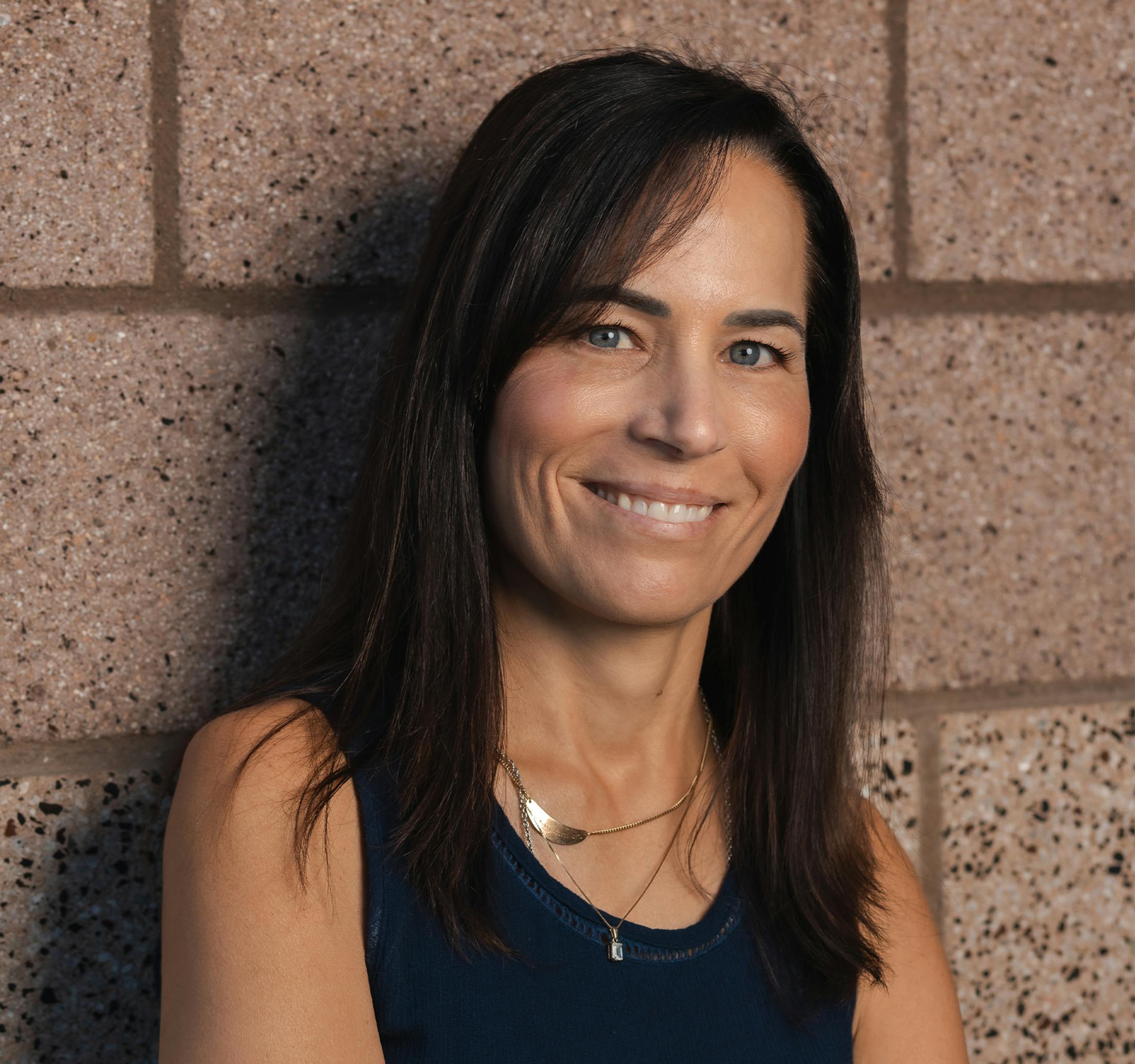
woman smiling with brick wall behind her

*Actual Patient.

Laser Skin Resurfacing Procedure

Most laser resurfacing procedures can be done comfortably in our San Diego office under topical local anesthesia. If your laser procedure is being done in combination with another surgical procedure, then it will most likely be done in an operating room under general anesthesia.

Approximately 45 minutes prior to your procedure, Dr. Gupta will apply topical anesthesia cream to your face. The actual laser treatment procedure will take about 30 to 45 minutes. During the procedure, you will feel some warmth and tightening of your face. Following the procedure, Dr. Gupta will cover your face with a soothing ointment dressing.


Laser Facial Recovery

You will need to clean the treated areas three to four times a day and keep them covered with a protective ointment to keep the skin moist and prevent scabs from forming. It is normal to have swelling after laser skin resurfacing. Dr. Gupta will prescribe steroid medication to minimize swelling. Ice packs and sleeping on an extra pillow at night can also help ease swelling.

After laser resurfacing, your skin will become dry and peel. The areas will heal within 4 to 7 days, depending on the condition treated and the depth of treatment. Once the skin heals, you can wear oil-free makeup to minimize redness, which usually fades in six to eight weeks.

waves crashing against rock

Laser Facial Risks

The most significant possible risk of laser resurfacing treatments is darker skin pigmentation due to sun exposure during the initial healing phase, when the skin is at its thinnest and most prone to sun damage. You will probably notice that your skin is lighter initially after treatment. It is important that you use a “broad-spectrum” sunscreen, which screens ultraviolet B and ultraviolet A rays, to protect your skin during that time. It should have a sun protection factor (SPF) of 30 or higher. Also, limit your time in the sun, and wear a broad-brimmed hat to protect your skin from the sun’s harmful rays. Dr. Gupta will also prescribe several medical creams to minimize the risk of skin darkening (hyperpigmentation) after your laser treatment.

Banner media

Laser Skin Resurfacing Frequently Asked Questions

How do I know if laser resurfacing is right for me?

You may be a candidate if you have wrinkles, texture changes, scars, or pigmentation concerns that aren’t improving with skincare or lighter treatments. During your consultation, Dr. Gupta will assess your skin type, medical history, and goals to recommend whether laser resurfacing—or an alternative option—will give you the safest, most predictable results.

Can laser resurfacing be performed on darker skin tones?

Laser technology has advanced significantly, but not every laser is safe for all skin types. Dr. Gupta carefully selects treatment settings based on your complexion to reduce the risk of hyperpigmentation. Some patients may be better suited for gentler resurfacing techniques or staged treatments to protect their skin.

What is the difference between fractional and traditional laser resurfacing?

Traditional lasers treat the entire surface of the skin, which can produce dramatic results but also requires a longer healing time. Fractional lasers treat a grid-like pattern of tiny columns, leaving healthy skin in between. This speeds healing, reduces downtime, and lowers the risk of complications while still producing noticeable improvement.

Will one treatment be enough?

Many patients achieve excellent results from a single fractional laser session. However, deeper wrinkles, acne scars, and long-standing sun damage may require a series of treatments for the most refined result. Dr. Gupta will help you understand what level of correction is realistic after one session versus multiple.

How long will my results last?

Results from laser resurfacing can last for years with good sun protection and a consistent skincare routine. Natural aging continues, but most patients notice smoother, clearer, and more even skin tone long-term. Periodic maintenance treatments can help extend and enhance your results.

Does laser resurfacing help with melasma?

Laser resurfacing may help lighten pigmentation, but melasma behaves differently from other sun-related discoloration. In some cases, heat-based treatments can worsen it. Dr. Gupta will evaluate whether a laser, chemical peel, medical-grade skincare, or combination approach is safest for your skin.

Can I combine laser resurfacing with other procedures?

Yes. Laser resurfacing is often combined with BOTOX®, fillers, eyelid surgery, or facial fat grafting for more comprehensive rejuvenation. Performing procedures together can reduce overall downtime. Dr. Gupta will review what can safely be done in the same session and what should be staged.

What does laser-treated skin look and feel like during healing?

Immediately afterward, your skin will feel warm and tight—similar to a mild sunburn. As peeling begins, the texture may feel dry or sandpapery. This is normal and temporary. Redness can last several weeks, but makeup can be worn after the skin fully re-epithelializes.

Is there anything I should avoid before my treatment?

You may be asked to stop retinoids, exfoliants, or certain acne medications ahead of your treatment. Recent sun exposure, tanning beds, and self-tanner should also be avoided. Let Dr. Gupta know about any history of cold sores—antiviral medication may be prescribed to prevent flare-ups.

What long-term skincare routine should I follow after laser resurfacing?

After your skin heals, gentle cleansers, moisturizers, antioxidants, and daily SPF become essential. Many patients benefit from medical-grade products to maintain their results. Dr. Gupta will recommend a personalized routine based on your skin’s needs and sensitivity.

Schedule Your Consultation

To schedule your appointment or ask any questions, please call or fill out our online contact form.

Contact us media

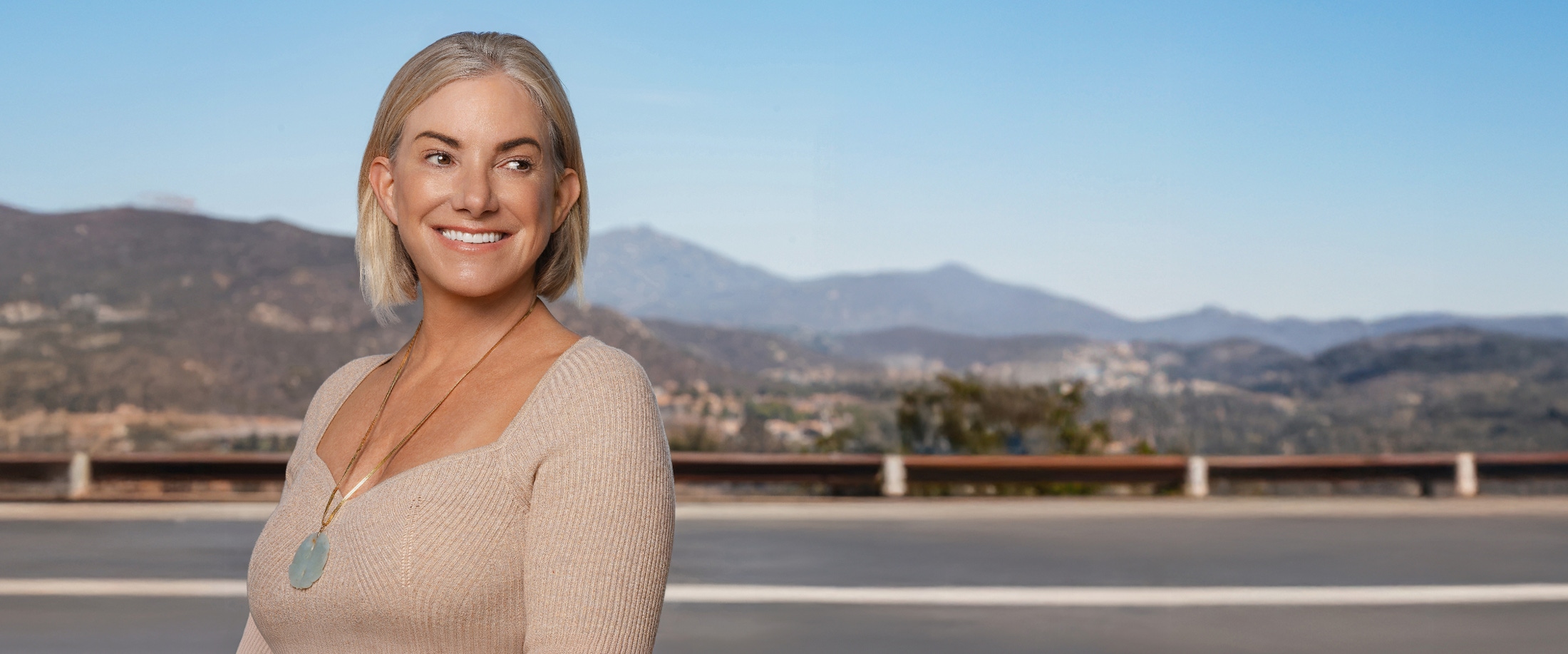
*Actual Patient.

Accessibility: If you are vision-impaired or have some other impairment covered by the Americans with Disabilities Act or a similar law, and you wish to discuss potential accommodations related to using this website, please contact our Accessibility Manager at 858-621-6000.
Contact Us