With a patient-centered approach and over 25 years of experience, Dr. Gupta delivers refined facelift results that feel natural and timeless.
Facelift San Diego
*Actual Patient.
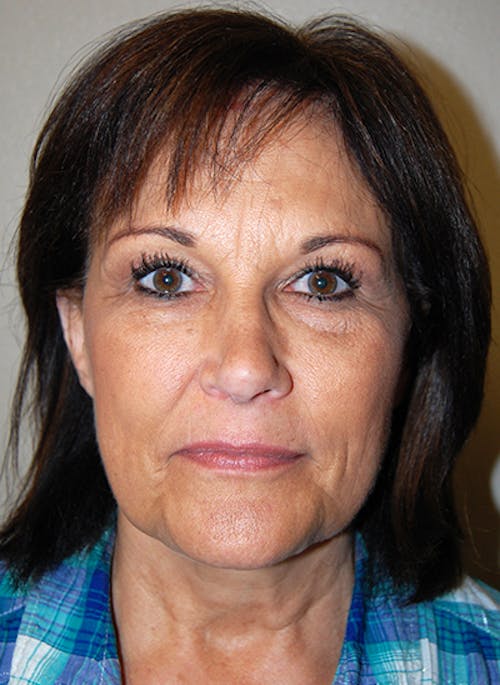
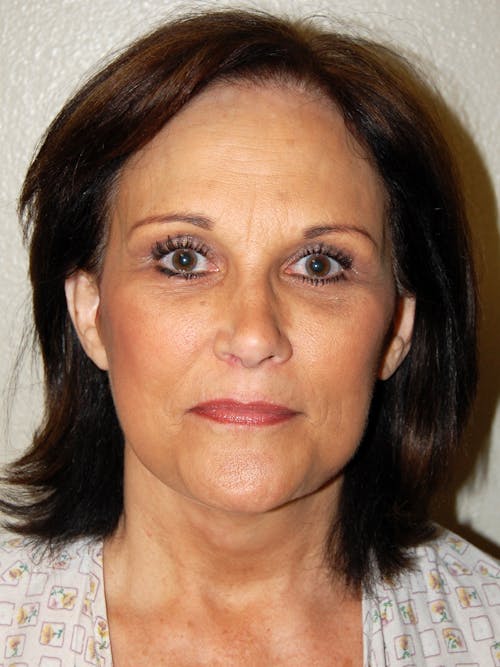
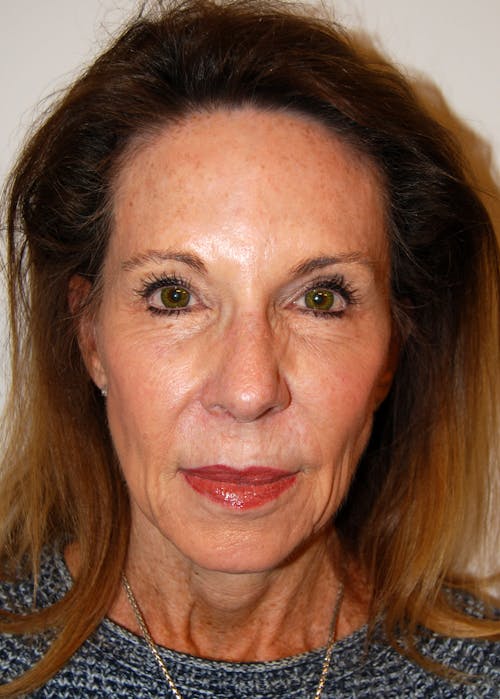
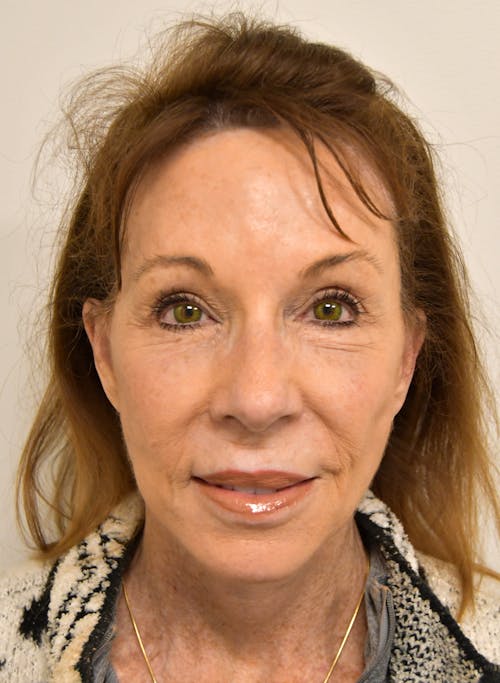
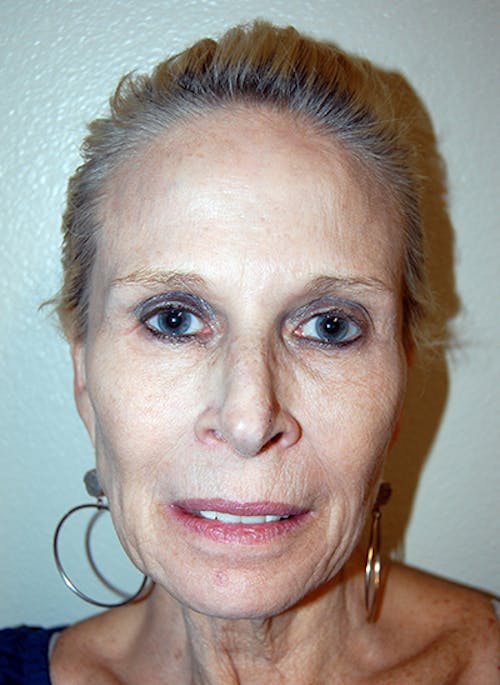
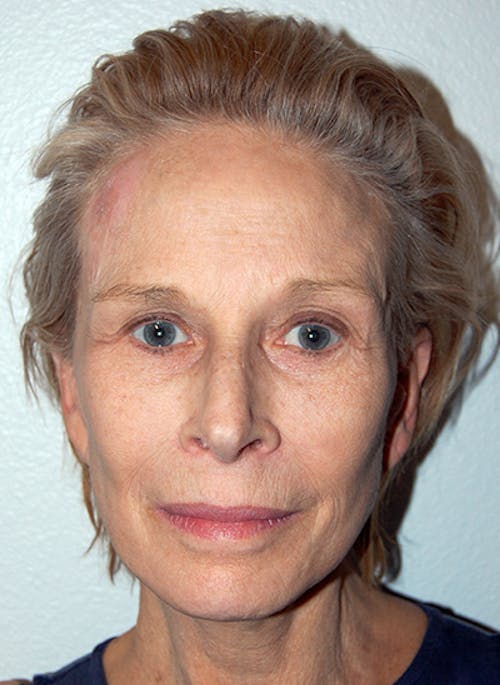
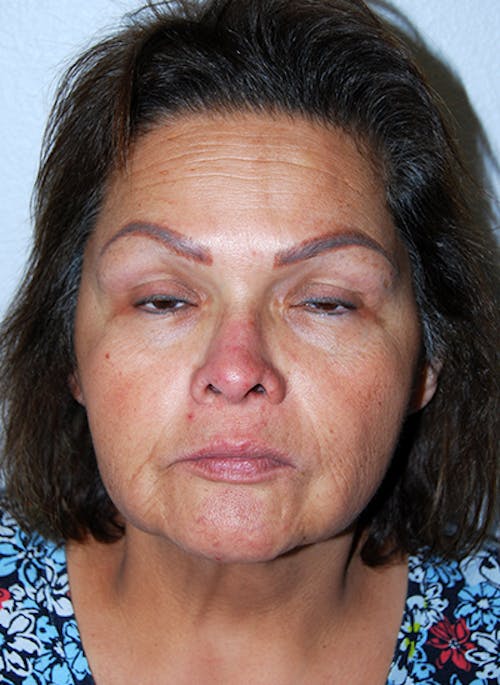
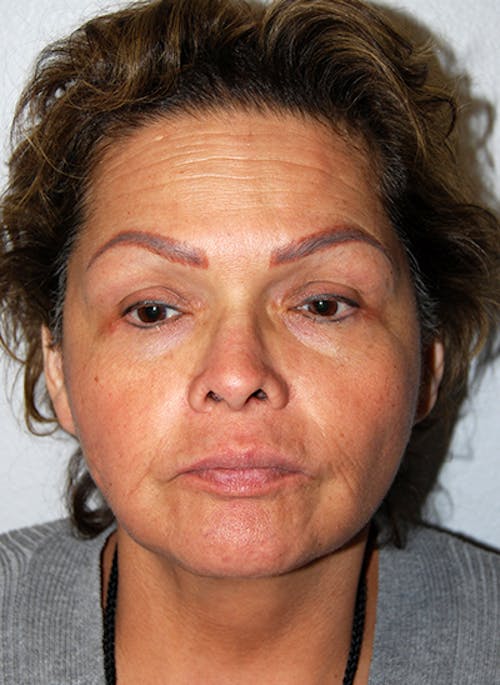
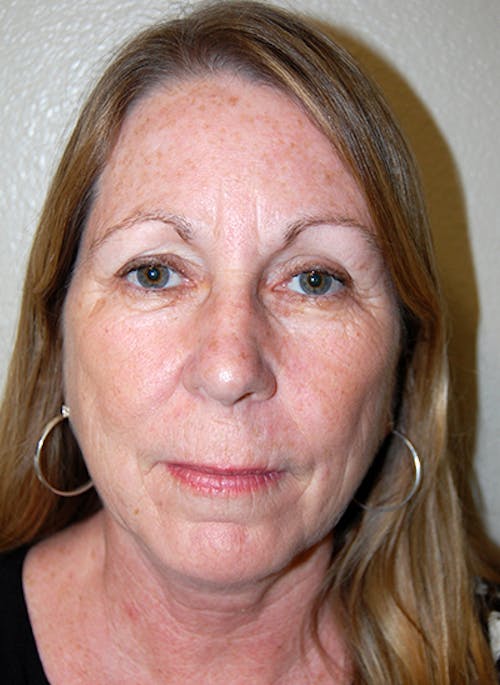
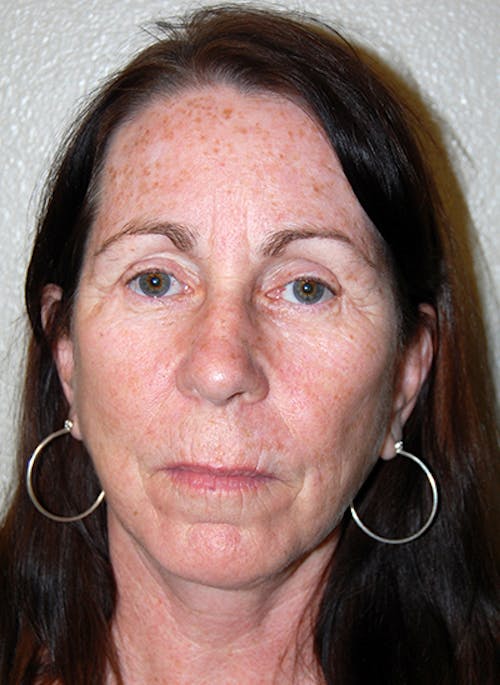
Suitable Facelift Candidates
Suitable San Diego facelift candidates are unhappy with visible signs of aging and exposure to harsh elements that make their face look tired, sad, or older than they are. They turn to Dr. Gupta to improve drooping skin, fat, and muscles in the face and neck; remove excess skin and fat from the face and neck; correct a saggy jaw line; and/or eliminate the appearance of deep-set crease lines along the chin, mouth, or nose.
As with all candidates, facelift candidates should not smoke and should be in good physical and mental health. They should also have realistic ideas about the risks and rewards of surgery. While a facelift may be appropriate for anyone with premature signs of aging, suitable facelift candidates are usually 40 years of age or older. During consultation, Dr. Gupta ultimately determines whether patients are suitable facelift candidates or could instead benefit from an alternative course of cosmetic treatment, such as eyelid surgery or the use of injectable fillers.

Facelift Procedure
Facelift surgery takes several hours. The duration of facelift surgery depends on each patient’s individual anatomy, aesthetic goals for surgery, and whether additional cosmetic treatments are performed at the same time. Dr. Gupta typically performs facelift procedures on an outpatient basis, but certain patients may be required to stay the night at a hospital or recovery center for monitoring purposes. If a facelift is performed as an outpatient procedure, patients need a responsible adult to drop them off and pick them up from surgery.
Incisions and Technique
After administering general anesthesia, Dr. Gupta begins traditional facelift surgery by making tiny incisions along the inside border of the hairline, starting at the temple. He continues around the ear, ending in the lower part of the scalp. Dr. Gupta then separates fat from underlying layers of tissue, removing or repositioning fat and tissue as necessary. The plastic surgeon next tightens and re-drapes the remaining facial skin before excising excess skin.
Neckline Rejuvenation
Next, Dr. Gupta addresses the patient’s neckline if necessary. He makes another incision under the chin, again removing or repositioning fat and tissue before securing the remaining skin in place and eliminating any excess skin in the neck area.
Closure and Dressing
To complete traditional facelift procedures, Dr. Gupta closes any incisions with tiny sutures to minimize scarring. He may also use metal staples or surgical clips along the hairline as needed. Dr. Gupta lastly places bandages over the treated area to minimize bruising and swelling.


Recovery
Directly following facelift surgery, the patient is taken to a recovery room for a few hours to rest while the effects of any remaining anesthesia subside. If the patient is not required to stay overnight at the hospital or recovery center, he or she will be released to the care of an authorized individual.
Patients may find a small, thin tube present after surgery. This is used to drain any fluid that may accumulate in the treated area, and will be removed a day or so following the procedure. Dr. Gupta will also remove any stitches, staples, or clips within the first week following surgery.
Facial Aging & Facial Rejuvenation in San Diego – Gupta Plastic Surgery


Facelift Frequently Asked Questions
How long do facelift results typically last?
While every patient ages differently, most facelift results last 8–12 years. Genetics, lifestyle, and sun exposure all play a role in how long your refreshed contour is maintained. Many patients extend their results with good skincare, sun protection, and non-surgical treatments.
Will a facelift make me look “pulled” or unnatural?
A modern facelift focuses on repositioning deeper tissues rather than simply tightening the skin. Dr. Gupta uses techniques designed to restore youthful structure while keeping the face expressive and balanced. His goal is always a natural, rested appearance—not a windswept or overcorrected look.
What is the ideal age for a facelift?
Most patients seek facelifts in their 40s to 60s, but age is less important than the specific changes you hope to correct. Earlier intervention can sometimes provide more subtle, longer-lasting improvement, while older patients may benefit from combining procedures for comprehensive rejuvenation.
Will a facelift improve my eyelids, forehead lines, or skin quality?
A facelift focuses primarily on the midface, jawline, and neck. Concerns involving the eyelids, forehead, or skin texture may require additional procedures such as eyelid surgery, brow lift, or laser resurfacing. These can often be combined for a harmonious result.
What does the scar look like, and will people be able to tell?
Incisions are placed within natural creases around the ear and hairline, so they remain discreet once healed. Most patients find that scars fade significantly over the first year and can be easily hidden with hair or makeup during the early healing phases.
How soon can I drive, exercise, or travel after a facelift?
Most patients resume light daily activities within a few days, but should avoid driving until they are off prescription pain medication. Gentle walking is encouraged early, but strenuous exercise usually resumes after several weeks. Dr. Gupta will give personalized guidelines based on your healing progress.
How much bruising and swelling should I expect?
Bruising and swelling peak within the first few days and improve steadily over 1–2 weeks. Sleeping with the head elevated, using cold compresses, and following Dr. Gupta’s postoperative instructions help minimize swelling. Some residual firmness may last for several months as tissues settle.
How do I prepare for facelift surgery?
Prior to surgery, patients may be asked to stop certain medications or supplements, avoid smoking, and undergo routine lab tests. Maintaining a healthy diet, stable weight, and good hydration all support smoother healing. Dr. Gupta will provide a personalized preparation plan during your consultation.
What is the difference between a full facelift and a mini facelift?
A full facelift addresses deeper tissues in the cheeks, jawline, and neck, making it ideal for more pronounced signs of aging. A mini facelift uses shorter incisions and is best for early sagging or isolated jowl concerns. Dr. Gupta will explain whether a limited or traditional approach fits your anatomy and goals.
Can I combine a facelift with non-surgical treatments?
Absolutely. Many patients pair surgery with fillers, BOTOX®, laser resurfacing, or fat grafting to enhance overall rejuvenation. Some treatments are performed during surgery, while others are postponed until the skin has healed. Dr. Gupta will recommend the safest timing for each.
Will a facelift stop the aging process?
A facelift does not stop aging, but it resets the visible aging clock by tightening and repositioning facial structures. Your face will continue to age naturally after surgery, but you will always look younger than if you had not had the procedure.
How can I maintain my results long-term?
Using medical-grade skincare, protecting your skin from the sun, maintaining a stable weight, and avoiding smoking all help preserve your results. Periodic non-surgical treatments can also support long-lasting facial rejuvenation.