Upper and Lower Eyelid Surgery San Diego

As people age, the effects of gravity, overexposure to the sun, and pollution can cause dark circles or “bags” to form under the eyes. Skin loses volume and elasticity, causing lower eyelids to sag. Aging, exposure to the elements, and hereditary factors can also cause the upper eyelids to grow heavy and droop. Often, these undesirable effects make people look exhausted, sad, or older than their actual age.

Eyes are one of the first facial features that people notice on others. Because a person’s eyes are so important in first impressions, Dr. Gupta provides eyelid surgery to combat the visible toll that age, heredity, or the elements take on his patients’ eyes. Eyelid surgery patients seek out Dr. Gupta to help them look younger and feel happy and ready to take on the world.

It is important to note that Dr. Gupta may also recommend another cosmetic procedure, such as Botox or facelift surgery, in conjunction with eyelid surgery to optimize the aesthetic results.

Suitable Eyelid Surgery Candidates

To be a suitable candidate for eyelid surgery, individuals must be free of any serious eye conditions, have a clean bill of health, and not smoke. They should have sensible goals for the outcome of eyelid surgery and comprehend both the risks and rewards of the procedure.

Suitable eyelid surgery candidates would like Dr. Gupta to: improve the appearance of dark circles under the eyes; remove excess skin and fat from upper and/or lower eyelids; or decrease the look of puffy eyes that some patients have, causing them to appear drained or depressed.

Begin Your Journey Schedule A Consultation

Contact Us
Background media

Eyelid Surgery Procedure

Dr. Gupta performs eyelid surgery on an outpatient basis in about two hours, depending on the complexity of the situation, the amount of tissue removed, and whether the patient is having any additional cosmetic procedures done at this time. Patients can opt to undergo eyelid surgery on the upper eyelids, lower eyelids, or both.

Before starting eyelid surgery, a Board Certified Anesthesiologist administers general anesthesia, generally local anesthesia. If the patient is undergoing eyelid surgery on the upper eyelids, Dr. Gupta addresses this area first. Dr. Gupta first makes an incision on the natural crease of the patient’s top eyelid. He then removes any excess skin, fat, and/or muscle in the area before closing the incision with sutures, skin adhesive, or surgical tape. Any scar on this incision site should be nearly invisible once it is fully healed.

Next, Dr. Gupta addresses the lower eyelid if necessary. He makes this incision just underneath the bottom eyelashes or just inside the bottom eyelid. The highly precise plastic surgeon then eliminates or repositions any excess skin, fat and/or muscle. Dr. Gupta closes the incision with stitches, skin adhesive or surgical tape.

Dr. Gupta may perform additional cosmetic procedures, such as administering Botox or performing a facelift or brow lift, as needed to augment surgical results. This will be discussed with the patient during a consultation.

Close up of white flower
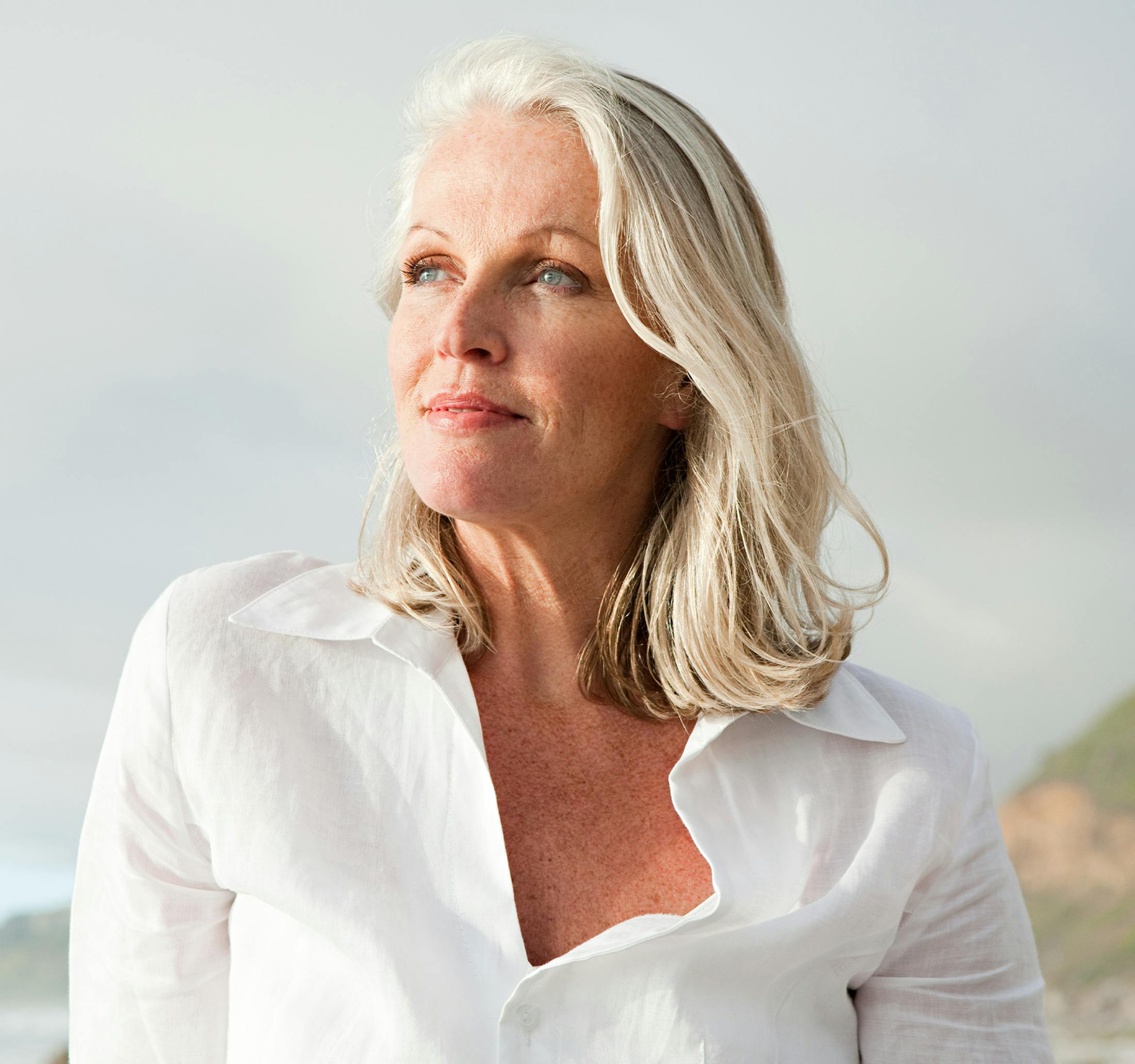
blonde woman looking outwards in white shirt

Recovery

Once the effects of the anesthesia have worn off and patients have been discharged, they can go home with an authorized individual. Patients should leave any bandages in place for as long as instructed by Dr. Gupta. Eyelid surgery patients may notice swelling or bruising in the treated area. These symptoms generally go away within a few weeks. Recovering patients may also feel minor pain or discomfort following surgery. They should apply ice packs and take oral pain medication as directed by Dr. Gupta.

In general, patients should expect to take one to two weeks off from work. They should rest as much as possible and avoid taxing activity. It is also extremely important for patients to protect their eyes with dark sunglasses until their eyes are fully healed. Dr. Gupta will give patients complete care instructions prior to the procedure.

Eyelid Surgery Frequently Asked Questions

Will eyelid surgery change the shape of my eyes?

Blepharoplasty is designed to refresh, not reshape. Dr. Gupta works with the natural contours of your eyelids to remove heaviness and puffiness without altering your eye shape, expression, or ethnic identity. The goal is a rested, natural look—not a different face.

How long do the results of eyelid surgery last?

Upper eyelid results can last 7–10 years or more. Lower eyelid surgery often produces long-lasting improvement because fat repositioning and contouring are structural changes. Aging continues, but most patients enjoy a brighter, more awake appearance for many years.

Will eyelid surgery help with crow’s feet or forehead lines?

Blepharoplasty addresses the eyelids themselves. Lines at the corners of the eyes or wrinkles in the forehead usually respond better to BOTOX®, laser resurfacing, or a brow lift. Dr. Gupta may recommend combining treatments to achieve smoothness around the eyes and complete facial harmony.

How noticeable are the scars from eyelid surgery?

Scars are placed within the natural crease of the upper lid and directly beneath the lower lashes (or inside the eyelid when appropriate). Once healed, they are typically very discreet. Many patients find these scars nearly undetectable within a few weeks to a few months.

What is the difference between upper and lower eyelid surgery?

Upper eyelid surgery removes or repositions excess skin and fat that creates heaviness or hooding. Lower eyelid surgery focuses on smoothing puffiness or hollowing caused by fat pads and thinning skin. Some patients need only one area treated; others benefit from both.

How do I prepare for eyelid surgery?

You may be asked to avoid certain medications, stop smoking, and schedule a health evaluation if needed. Patients who experience dry eyes, seasonal allergies, contact lens use, or prior eye surgery should mention this during consultation so Dr. Gupta can tailor the surgical plan safely.

When can I wear contacts or eye makeup again?

Most patients resume wearing contact lenses after about two weeks, once swelling has improved, and the incisions are well-healed. Eye makeup can usually be applied after the first week or two, depending on the healing progress. Dr. Gupta will give individualized clearance during follow-up.

Will eyelid surgery fix dark circles?

It can help—depending on the cause. If dark circles are due to bulging fat pads that cast shadows, lower blepharoplasty can improve them. If pigmentation or thin skin is the issue, laser resurfacing, skincare, or non-surgical treatments may be recommended alongside or instead of surgery.

What will my vision be like after surgery?

Your vision may be slightly blurry for the first day or two due to swelling, ointment, or dry eye symptoms. This is temporary. Patients should avoid activities that strain the eyes—like reading for long periods, screen time, or driving—until cleared by Dr. Gupta.

When can I return to normal activities?

Most people resume light activity within a few days and return to work within one to two weeks. Strenuous exercise, swimming, and sun exposure should be avoided until Dr. Gupta confirms that your eyes are healed enough for these activities.

Can eyelid surgery make me look younger without a full facelift?

Absolutely. Because the eyes are such a central feature, even subtle improvements can make the entire face appear more vibrant and rested. For many patients, eyelid surgery alone provides a meaningful rejuvenation without larger procedures.

How can I maintain my eyelid surgery results long-term?

Consistent sun protection, high-quality skincare, hydration, and a healthy lifestyle support long-lasting results. Periodic non-surgical treatments like BOTOX® can also help prevent new wrinkles around the eyes.

Risks

All surgical procedures carry innate risks. However, eyelid surgery risks are rare, and Dr. Gupta utilizes every safety measure available to minimize surgical complications and risks. With this in mind, rare risks include temporary dry eyes, eye irritation, blurry vision or double vision, excess swelling, eye asymmetry, difficulty blinking, and poor scarring.

Patients can help further decrease risks by carefully adhering to any instructions that Dr. Gupta provides. In addition, recovering eyelid surgery patients should definitely not smoke and should eat a well-balanced diet. To hear more about eyelid surgery or to schedule a private consultation with Dr. Gupta, please contact Gupta Plastic Surgery

Banner media
Contact us media

*Actual Patient.

Accessibility: If you are vision-impaired or have some other impairment covered by the Americans with Disabilities Act or a similar law, and you wish to discuss potential accommodations related to using this website, please contact our Accessibility Manager at 858-621-6000.
Contact Us