
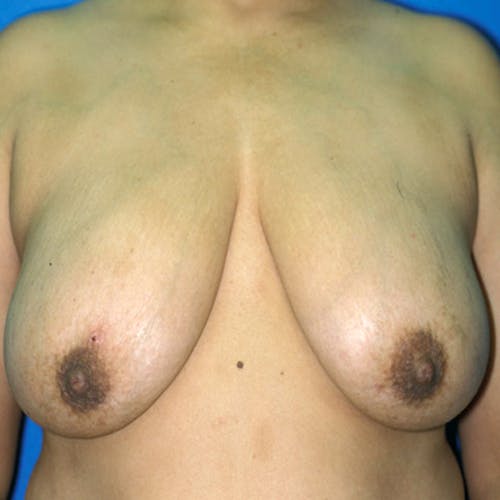
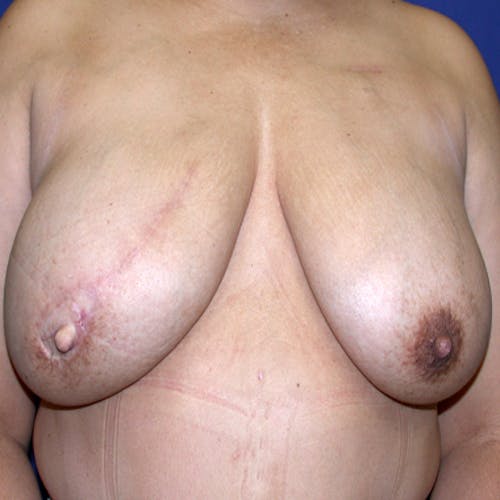
These complex reconstruction methods are used when implant reconstruction is not enough, or if you simply prefer to use your own tissue to reconstruct your breast mound.
TRAM and DIEP Flap Reconstruction San Diego

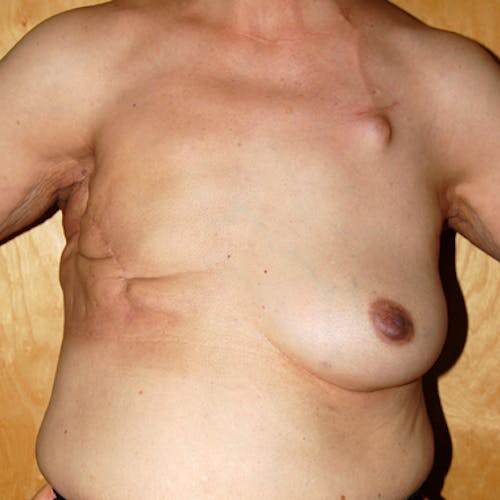
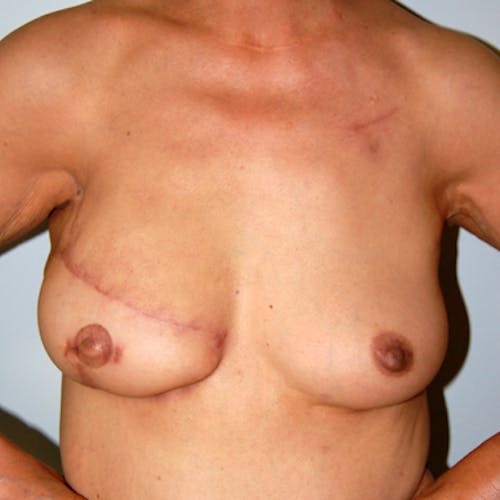
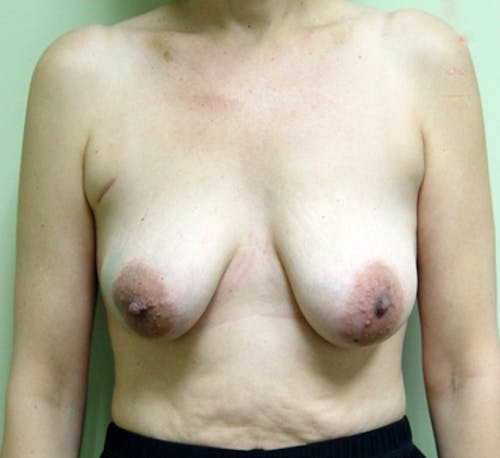
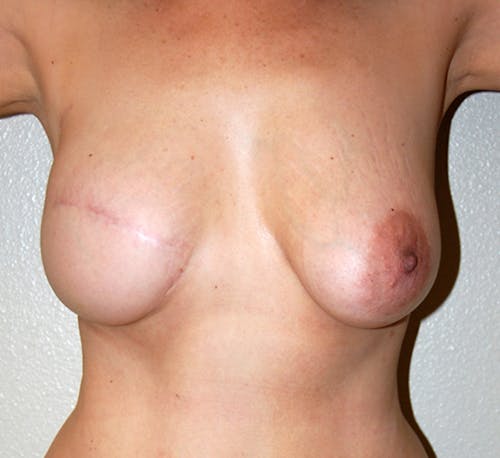
Why Choose Dr. Gupta?
25+ Years of Surgical Expertise
With over two decades of experience as a board-certified plastic surgeon, Dr. Gupta brings advanced training in microsurgery and autologous tissue transfer to every reconstruction, delivering results defined by precision, safety, and natural aesthetic harmony.
Extensive Reconstructive Background
Dr. Gupta’s fellowship training at MD Anderson Cancer Center and the Cleveland Clinic Foundation gives him the expertise to restore form and confidence through advanced flap design, soft-tissue artistry, and meticulous surgical detail.
Personalized, Surgeon-Led Care
Every consultation, surgery, and follow-up is performed by Dr. Gupta himself. You’ll receive thoughtful, one-on-one care with complete continuity, transparency, and trust from the first visit to your final results.
Natural Artistry
Dr. Gupta’s aesthetic approach emphasizes subtle enhancement and proportional balance. His goal is always results that look effortlessly natural—restoring confidence while remaining true to who you are.


What to Expect
Your reconstruction journey will begin during a private consultation with Dr. Gupta. During this thorough appointment, he will review your anatomy, surgical history, and reconstructive goals. He’ll explain flap design, donor site considerations, and how your breasts will be shaped.
Your actual procedure will be performed under general anesthesia in a hospital setting. If you’re having a TRAM flap, Dr. Gupta will transfer abdominal muscle, fat, and skin to your chest. With a DIEP flap, he’ll only take skin and fat with microsurgery. This allows him to connect your blood vessels while sparing muscle. In both cases, Dr. Gupta will tailor the flap to create natural breast contours, sometimes refining the results with fat grafting or implants.
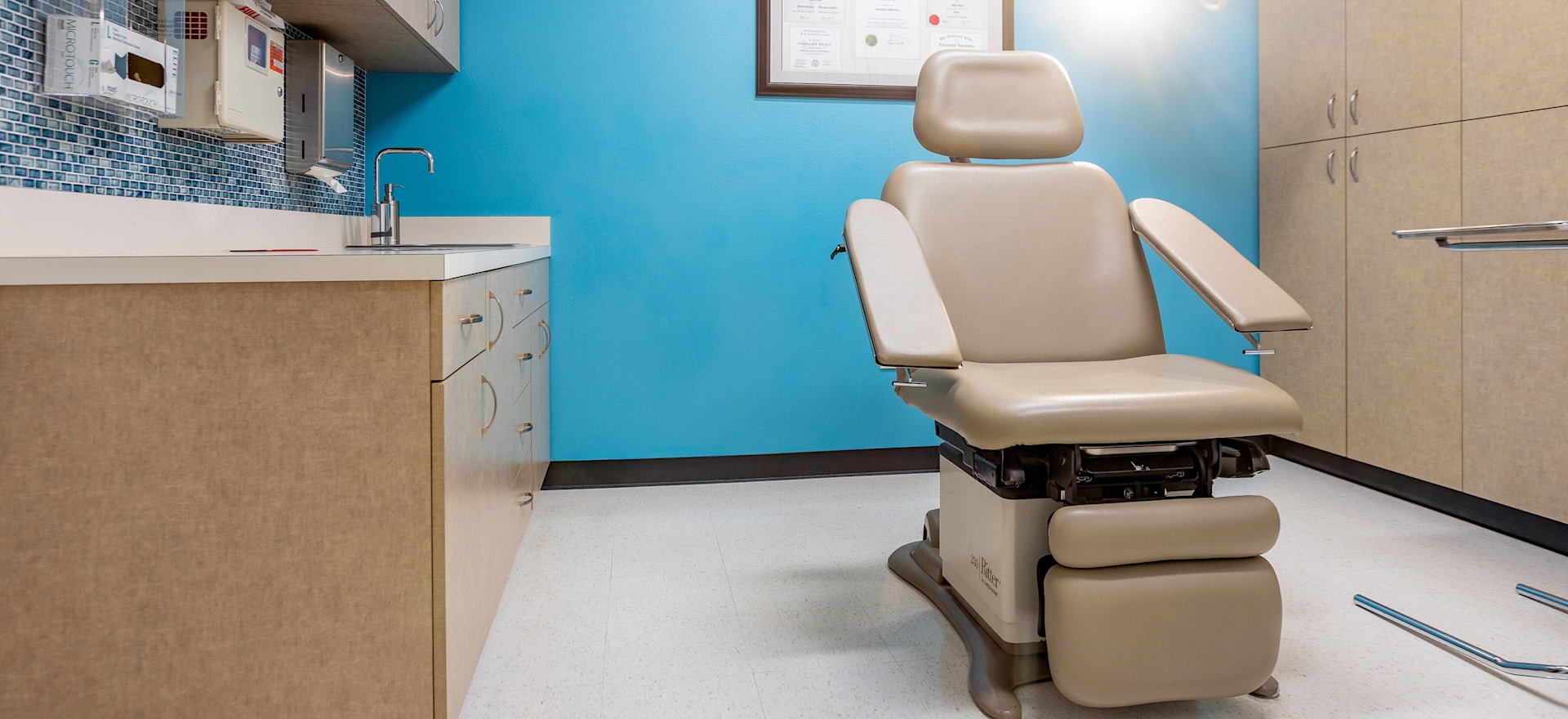
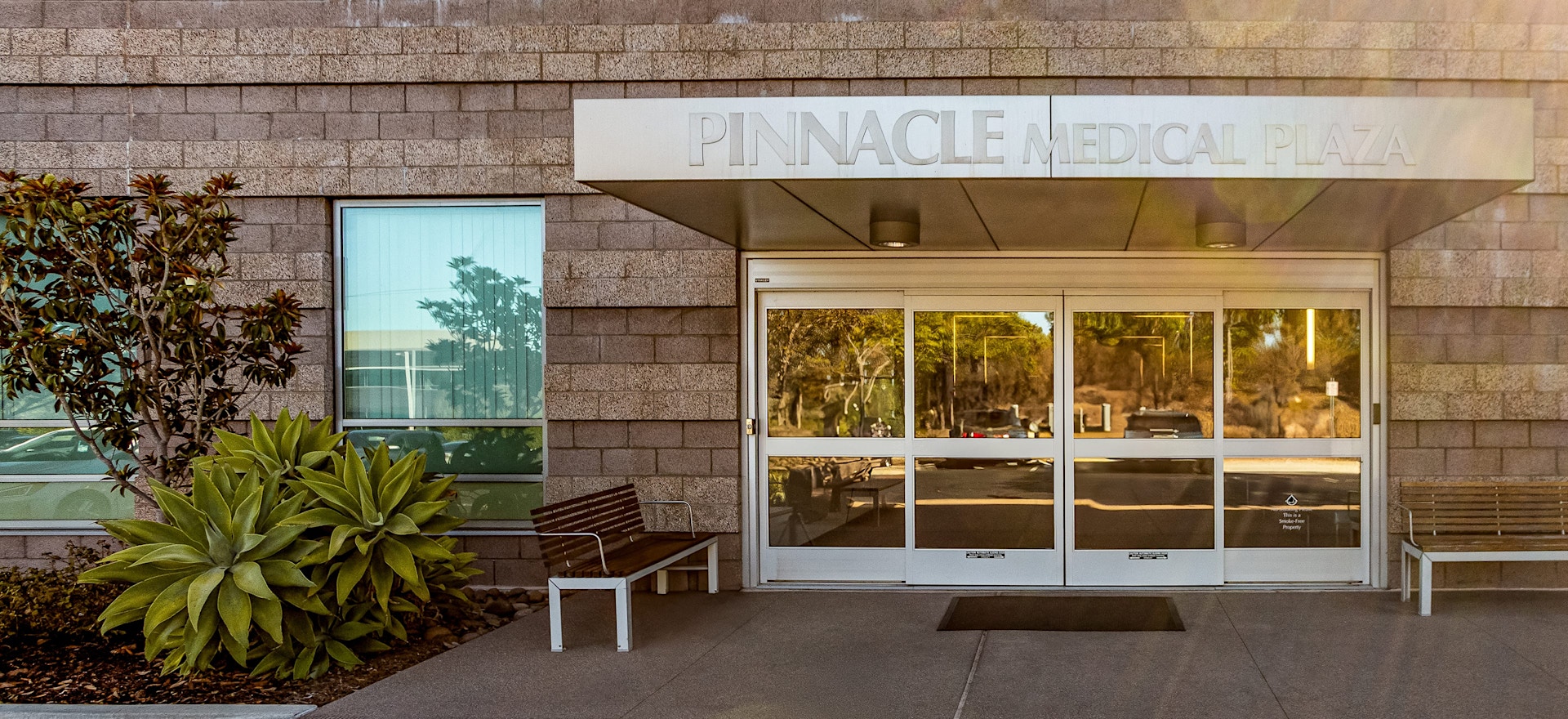
Designed With You in Mind Gupta Plastic Surgery's Spaces
TRAM & DIEP Flap Reconstruction Frequently Asked Questions
Will I lose abdominal strength with TRAM or DIEP?
In some cases, yes. TRAM involves removing some abdominal muscle, which can affect your core strength. DIEP spares your muscle, which preserves function and reduces your future hernia risk.
Can a TRAM or DIEP flap be combined with an implant?
Yes, in select cases. If you need additional volume, Dr. Gupta may be able to combine a TRAM or DIEP flap with an implant beneath the transferred tissue. This hybrid approach merges your soft natural tissue with the structure of an implant.
Will the results be permanent?
Because Dr. Gupta uses vascularized tissue for this reconstruction, you can expect extremely long-lasting results. With that said, future weight changes or pregnancies will impact your breasts.
How does Dr. Gupta minimize abdominal weakness with the TRAM flap?
Dr. Gupta carefully tailors each San Diego TRAM flap surgery to preserve as much muscle as possible. He reinforces the donor site using specialized mesh when needed and reattaches the remaining muscle layers to maintain your core strength.
What happens if I’ve had a previous abdominal surgery or C-section?
A previous abdominal procedure doesn’t necessarily rule out a TRAM flap. Before surgery, Dr. Gupta will evaluate your abdominal wall and blood vessel anatomy via imaging. In some cases, he may modify the flap design or recommend an alternative approach, such as a latissimus flap or DIEP reconstruction, to ensure a successful outcome.
How long does a TRAM or DIEP flap last?
Once you’ve healed from surgery, the flap tissue becomes part of your body. It ages and changes with your weight, just like natural breast tissue. Unlike implants, you won’t need to replace this tissue in the future.