
Enlarged male breasts (gynecomastia) can cause physical discomfort and emotional distress. Gynecomastia surgery–also called male breast reduction–can create a flatter, more masculine chest that renews your confidence.
Gynecomastia Surgery San Diego

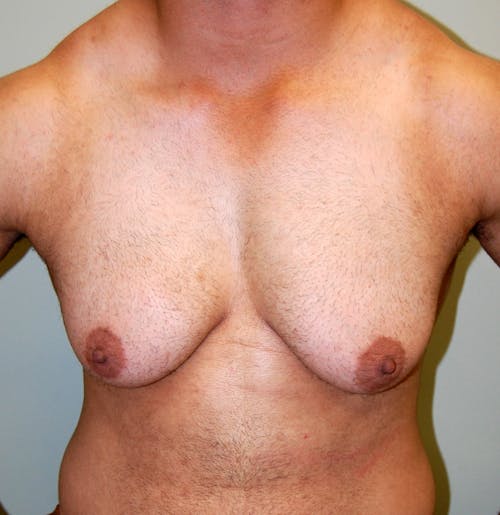
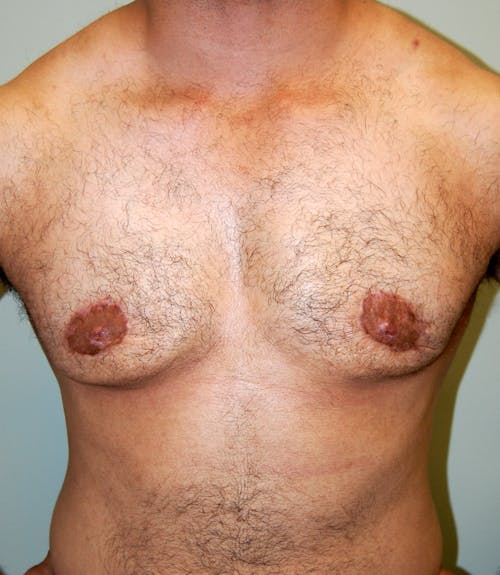
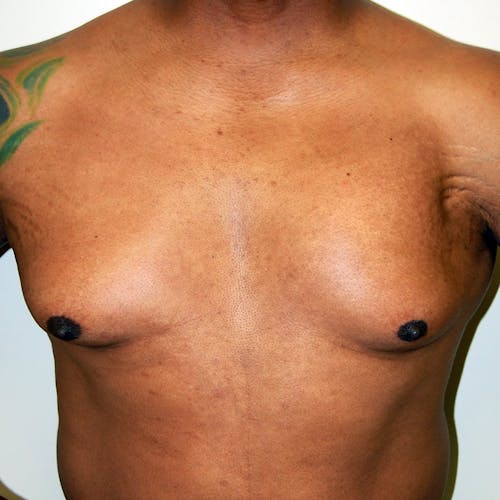
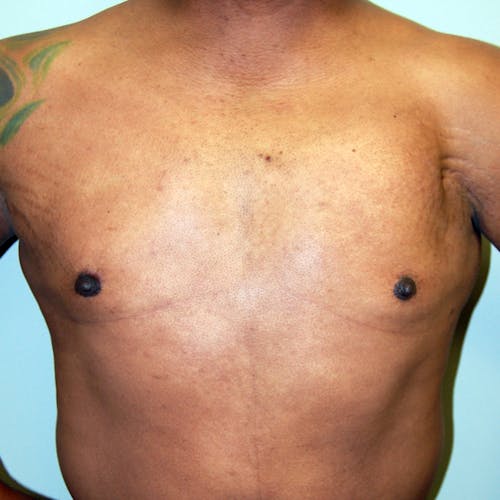
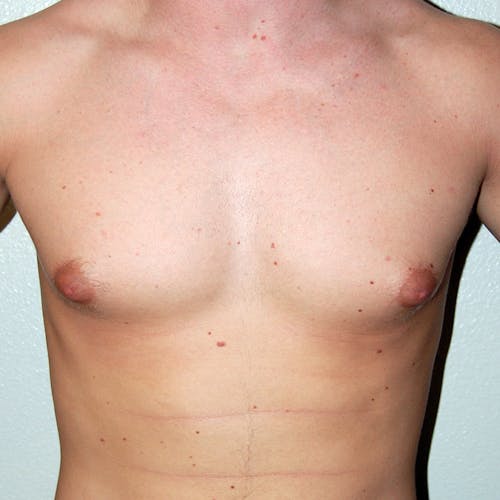
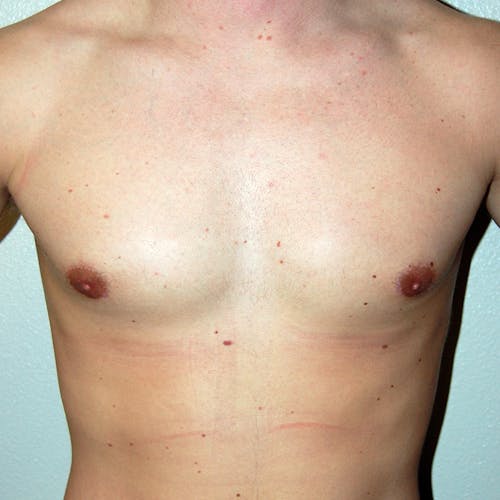
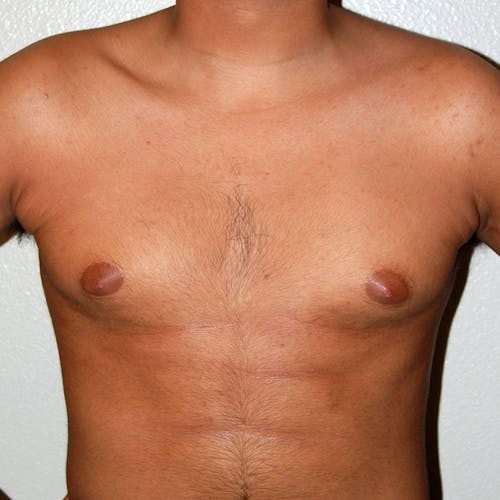
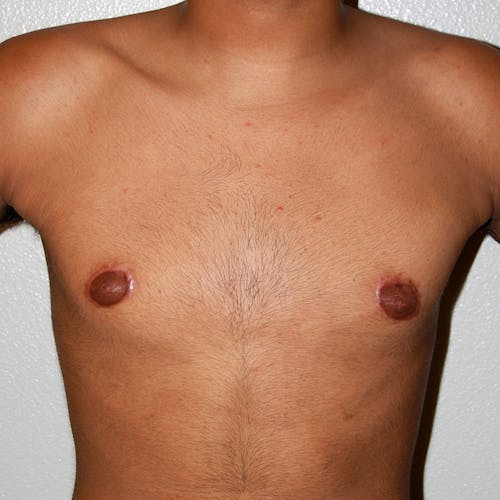
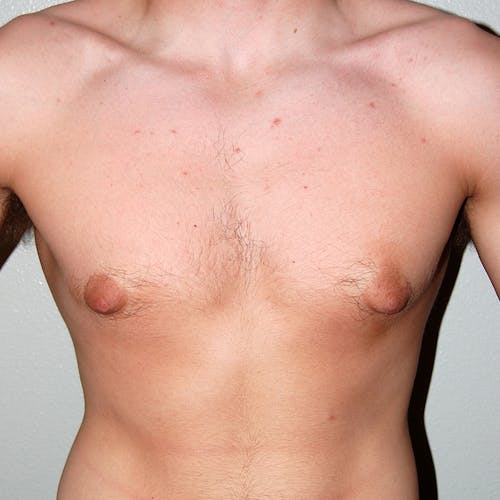
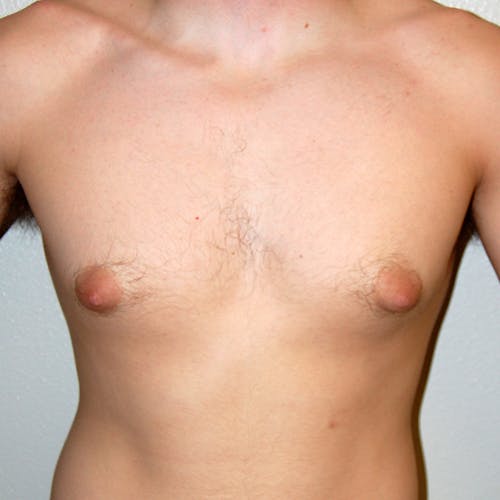

Patient Reviews
I am so HAPPY with my result!
“I was referred to Dr Gupta by a good friend of mine, and I am so glad that she referred me to him. Dr Gupta is a very talented surgeon. I recently had my surgery done by him, and I am so HAPPY with my result! I would highly recommend him.”
5 star rating
I highly recommend Dr. Gupta!
“He listened with no judgment and was interested not only in my concerns, but ME! I highly recommend Dr. Gupta!”
5 star rating

I was immediately put at ease by his team and him
“As a guy, I was embarrassed to seek help on what I was self conscious about. I was immediately put at ease by his team and him.”
5 star rating

I appreciated the staff and Dr. Gupta
“Thorough, informational, professional. I appreciated the staff and Dr. Gupta.”
5 star rating

Who Is a Candidate?
You may be a candidate for gynecomastia surgery in San Diego if you:
- Have large male breasts due to excess glandular tissue, fat, or both
- Are in good general health and able to maintain a stable weight
- Are self-conscious about the appearance of your chest
- Have realistic expectations for what a male breast reduction can accomplish
The Benefits of Male Breast Reduction in San Diego & Encinitas
- Flatter, firmer, and more masculine chest contour
- Improved body image, confidence, and masculine identity
- Long-lasting results when combined with a healthy lifestyle

The Male Breast Reduction Process
Your male breast reduction in San Diego will begin with a thorough and private consultation with Dr. Gupta. During that appointment, he will assess your unique breast development, outline your surgical options, and use models to help you visualize your expected results.
Your actual surgery will be performed under general anesthesia in a fully accredited facility. Dr. Gupta may perform liposuction, excision, or a combination of the two, depending on your unique needs. He will ensure that your incisions are discreet, often hidden around the areola or along the chest contours.
Gynecomastia Frequently Asked Questions
How does Dr. Gupta determine if gynecomastia is due to glandular tissue or fat?
During your consultation, Dr. Gupta performs a detailed examination and may recommend imaging, such as an ultrasound, to distinguish between glandular tissue and excess fat. This distinction determines whether liposuction alone or direct excision—or a combination of both approaches—will be most effective.
How does Dr. Gupta ensure a masculine, natural look after surgery?
During surgery, his focus is on restoring a defined contour, not flattening the chest. As such, Dr. Gupta sculpts gradually, preserving subtle definition over the pectoral muscle to achieve a result that looks athletic and authentic.
Will I have visible scars after my male breast reduction?
There will be scars, but Dr. Gupta places incisions in extremely discreet locations, often along the areola edge, to minimize visibility.
Will my results be permanent?
Any glandular tissue that Dr. Gupta removed will not grow back. Your fat removal will last as long as your weight remains stable. However, if you experience future hormonal imbalances, or if you take any medications that impact your hormones, it’s possible to experience a gynecomastia recurrence.
Can I correct my gynecomastia with exercise?
Usually, the answer is no. Gynecomastia typically involves the development of glandular tissue, which you can’t reduce with exercise.